February has long been a romantic month, but did you know that the origins of this tradition go right back to Roman times?
The origins of Lupercalia
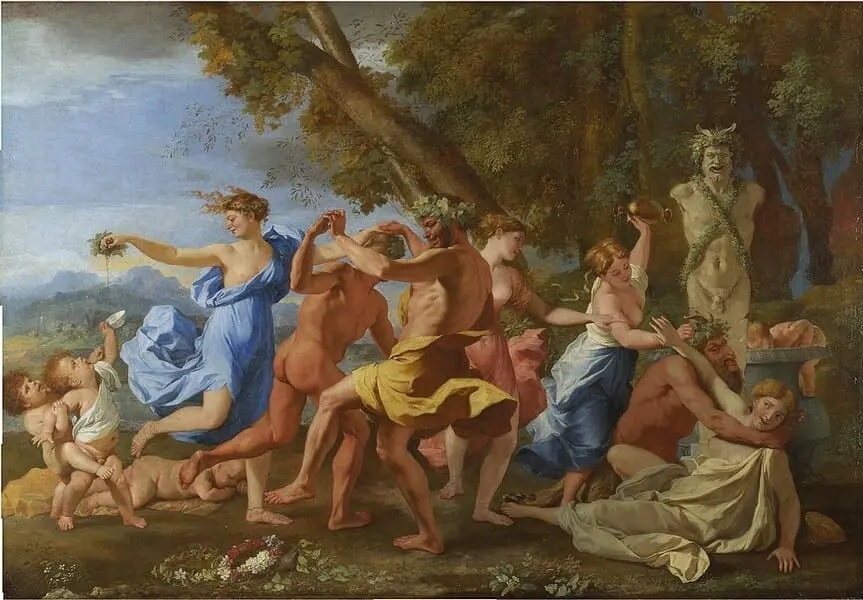
Between the 13 and 15 February, the Romans celebrated Lupercalia – a forerunner for our modern Valentine’s Day! Roman people used this festival to celebrate love. They believed performing rituals during the festival would promote good health and fertility for people and crops alike.
The festival was named after the Roman god for fertility, Lupercus.
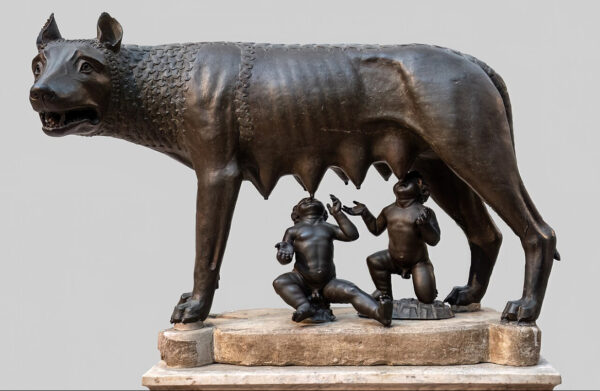
Pretty aptly, this name was also given to cave on the Palatine Hill where the founders of Rome, Romulus and Remus, were said to have been raised by a she-wolf.
The event started in the Lupercal cave, where a dog and male goats would be sacrificed by Luperci (priests). The blood from the sacrifices would be applied to the priests’ naked bodies and then removed with milk soaked wool. They’d then fashion some goat-skin into thongs. These thongs were called februa, which is where the word February comes from! The month of February will never read the same again…
The Luperci then returned to Rome and whipped women with the februa.
Though the festival was banned, we have put together some Roman style ideas for this month to help you enact the message of Lupercalia this month, to promote good health and appreciate our loved ones!
We’ve compiled a romantic Valentine’s Day shopping list of gifts and treats from our favourite Malton shops.
The Beecham Weigh for a romantic Roman breakfast
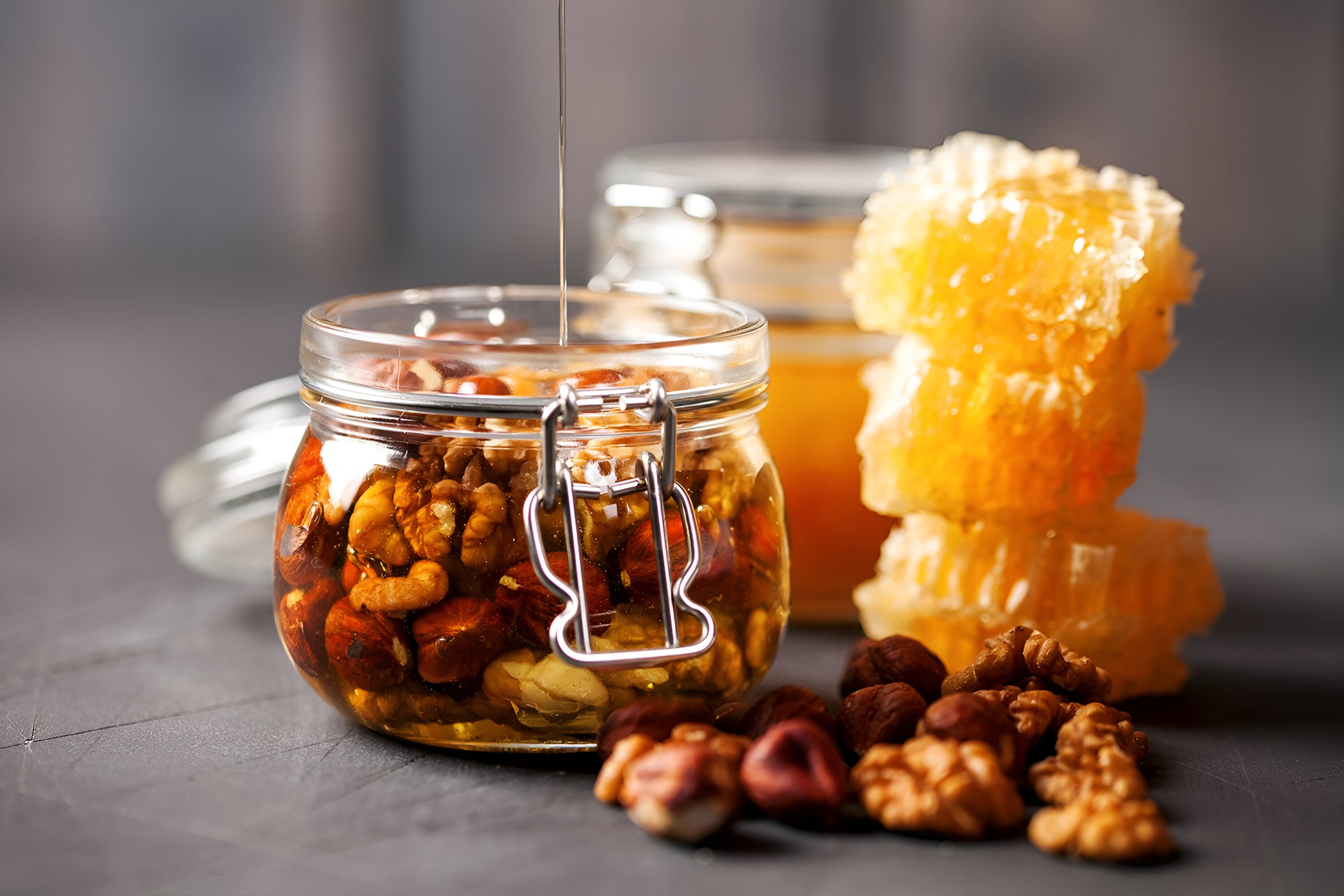
To set a romantic tone for the day you could put some honey and nuts from the Beecham Weigh over your breakfast.
Honey was linked to the goddess of love and so Venus and nuts were symbolically used for well wishing at weddings. Guests would throw walnuts, like confetti, at the couple to bless them with abundance and fertility – so toss the walnuts to continue to aspire for abundance… Don’t throw it at each other – throw them into the cereal bowl!
The Walled Garden Pantry for a sensuous supper
Perhaps you could gather some supplies for your very own romantic evening in with some Roman expressions of love. The Walled Garden Pantry is a perfect spot to get a variety of wines, cheese and olives.
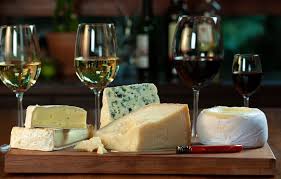
Wine was used to express affection. The poet Ovid in his guide The Art of Love advised men to drink from the same spot on a cup that a woman had drunk from to signal their affection.
Olive trees were often linked to commitment and resilience in couples because this tree can survive over 1,000 years! Why not buy some olives while you’re here to be on the safe side?
Kemps General Store & Bookstore
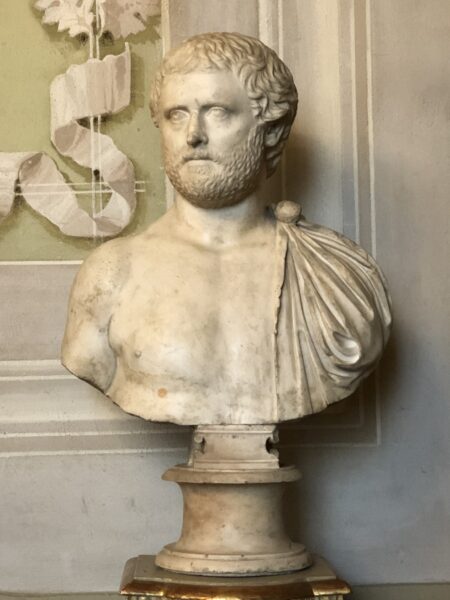
If you are unspoken for and want to woo a particular person, you might want to visit Kemps for Ovid’s ‘Love Poems’, a book full of ideas by history’s most romantic poets. Ovid was a really great love guru because he made love playful and personal. His book The Art of Love contains lots of advice on where to meet lovers and how to win them over with good personal grooming, charm and attentiveness. He even gives great advice on dealing with heartbreak with a light touch.
Cosy Cottage for a scented bath
To end your day, sink into a romantic rose bath Roman style!
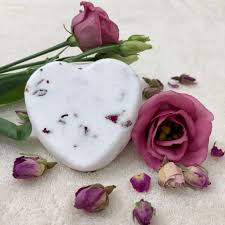
The Romans adored roses especially for their soft, sensual scent. They actually used roses as a symbol of love and would make rose crowns for newly married couples to wear on their big day. The soft fragrance also made it perfect for use in their baths and on their beds. Grab a rose bath bomb at Cosy Cottage to have a direct experience with an authentically romantic Roman aroma!
Visit and Support Us
If you want to learn more about the very Romans who shared these fundamental aspects of human life and love, visit our museum from the 4 April 2026. We are raising funds for our museum’s new home in central Malton. Please donate to our campaign if you can. Every little bit helps!