Spring is finally here! For the Romans, the start of Spring was as important as Saturnalia. The festival Matronalia was held on the first of March to celebrate this period of renewal and was treated like New Year’s Day. However, it was not just the lovely blooms that the Romans were celebrating – rather it was the birth of new Roman citizens!

March was very much a birthing season for the ladies of Rome. Children of newlyweds were born in March as it was common for Romans to have their weddings in June. It was “Juno” Lucina, Goddess of light and protector of pregnant women who was called upon in March to help the new couples. Funnily enough the month of March itself was named after the son of Juno and his birthday was being celebrated throughout the month. A great example of how the Romans mapped their natural world onto their mythology system in a satisfying way!
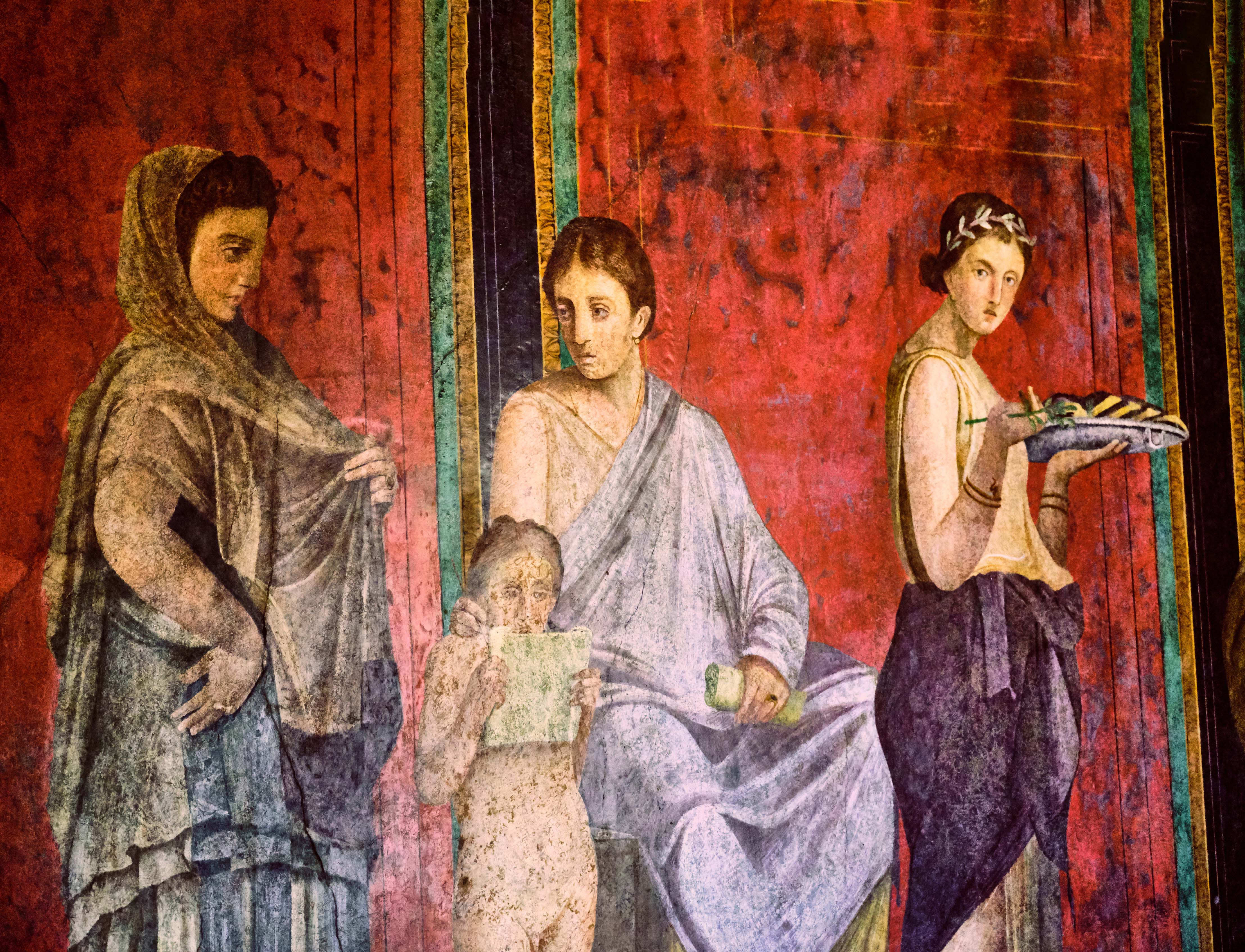
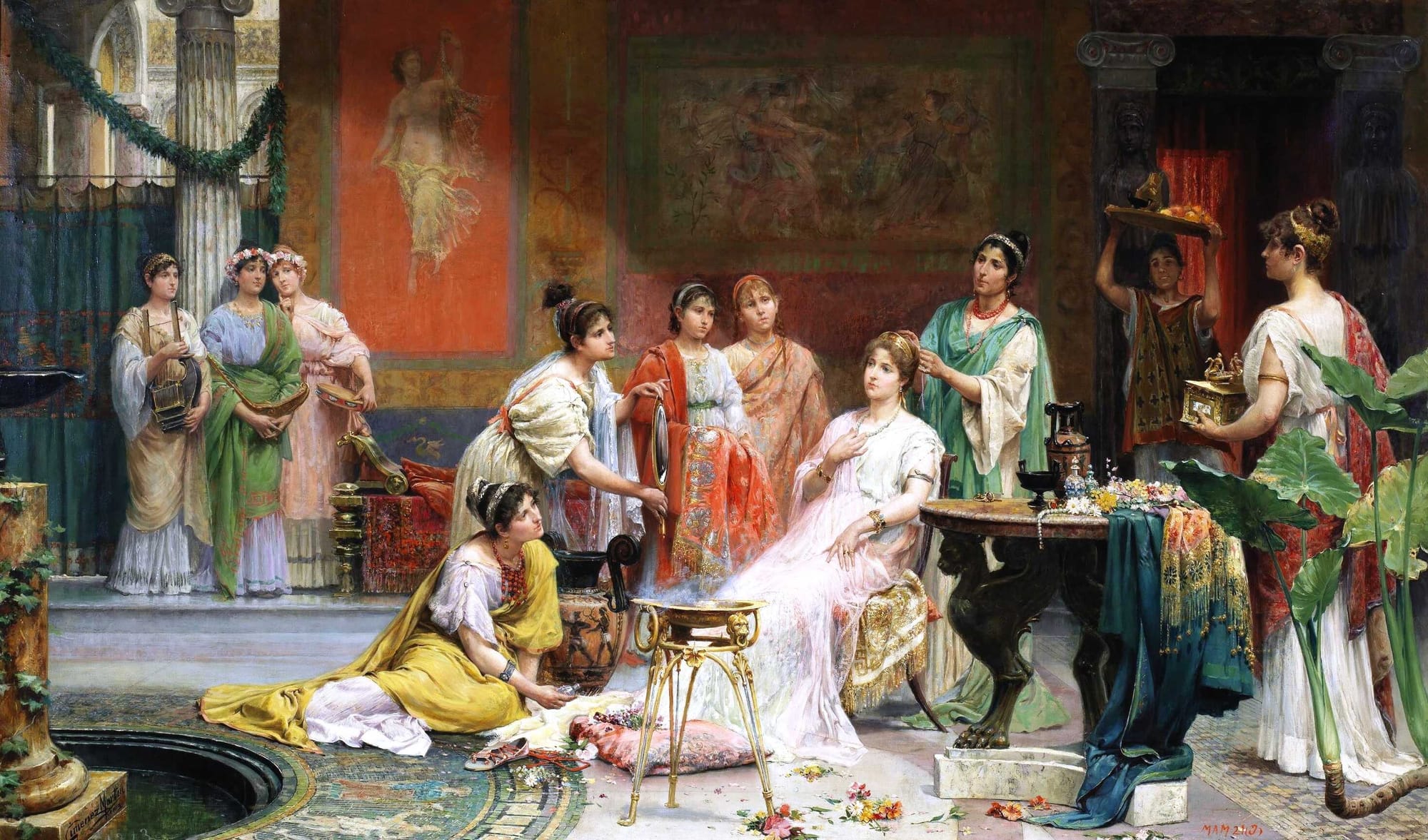
The festival rites entailed calling upon Juno and literally letting their hair down and loosening their clothing. You can imagine the pregnant ladies of Roman past would have very much appreciated this! In a similar way to Mother’s Day traditions, the women of Rome would bring Juno flowers at the temple on the hill of Esquiline. It was a way of thanks to the goddess for giving the people of Rome the ‘light’ of life and asking her to help women in childbirth. Husbands would then pray for the welfare of their wives.
Things would then become very topsy turvy as Roman women would then make a feast and wait on their female slaves. The day would end with exchanges of flowers, sweets and jewellery between male lovers and husbands with their respective wives and girlfriends.
Mother’s Day in Malton
We may not have a temple on a hill to pay homage to a divine goddess but we have something meaningful we can do. This Mother’s Day we can take a leaf out of the Roman matronae (married women) and let our hair down and appreciate the amazing parents who continue to bring forth and sustain life in our world! There are lots of activities and gifts throughout Malton that could help you do this.
Sweets and Incense from Beecham Weigh
Roman husbands gifted sweets during this season but they were not “Roman Dairy Boxes”! The Romans had a sweet tooth for Dolcia Domestica. These were dates de-seeded with nuts and ground pepper and candied in hot honey. They got their sweet kick from the natural sugars. If you fancy giving the special lady in your life something sweet, you’d do not better than going to Beecham Weigh to grab some dates and nuts to make your own Roman Stuffed Dates. This article by Eats History has a great recipe at the bottom. If she complains at receiving a few dates over chocolates you can tell her dates are not only naturally sweet and rich in antioxidants!
Rather brilliantly, Beecham Weigh actually stock an incense known to be used in Ancient Rome! Frankincense and Myrrh were imported from Southern Arabia, Ethiopia and Somalia and were favoured scents for communicating with the gods. In this way you could transport yourself to that ancient setting of the Esquiline Hill, where the incense was burnt in the temple of Juno.
Flowers
It was typical for Roman women to bring garlands of fresh flowers to the Temple and for husbands to gift flowers to their wives. Whilst roses were significant symbols of love and rebirth, a more relevant flower for this festival was the lily. Lilies apparently sprang from Juno’s milk and symbolise purity and fertility. There are two noteworthy florists in Malton that stock lilies called W P Horsley Florist and the Topiary Tree.
Candles
Candles weren’t actually a part of the festival rituals. But light was central to Juno ‘Lucina’ as the Goddess of Light brought children from the darkness of the womb into the light of the world. Visiting a local candle store such as the Drunk Candle Company would be the perfect way of paying respects to our mothers for bringing us into the light of this world and spreading warmth and light to those we meet. This store sells lots of unique scents so be prepared to do a lot of smelling and a find a scent that speaks to you!

Visit and Support Us
If you want to learn more about the very Romans who shared these fundamental aspects of human life, visit our museum from the 4 April 2026. We are raising funds for our museum’s new home in central Malton. Please donate to our campaign if you can. Every little bit helps!